Plays in your browser · One shared island
One island. Everyone builds on it.
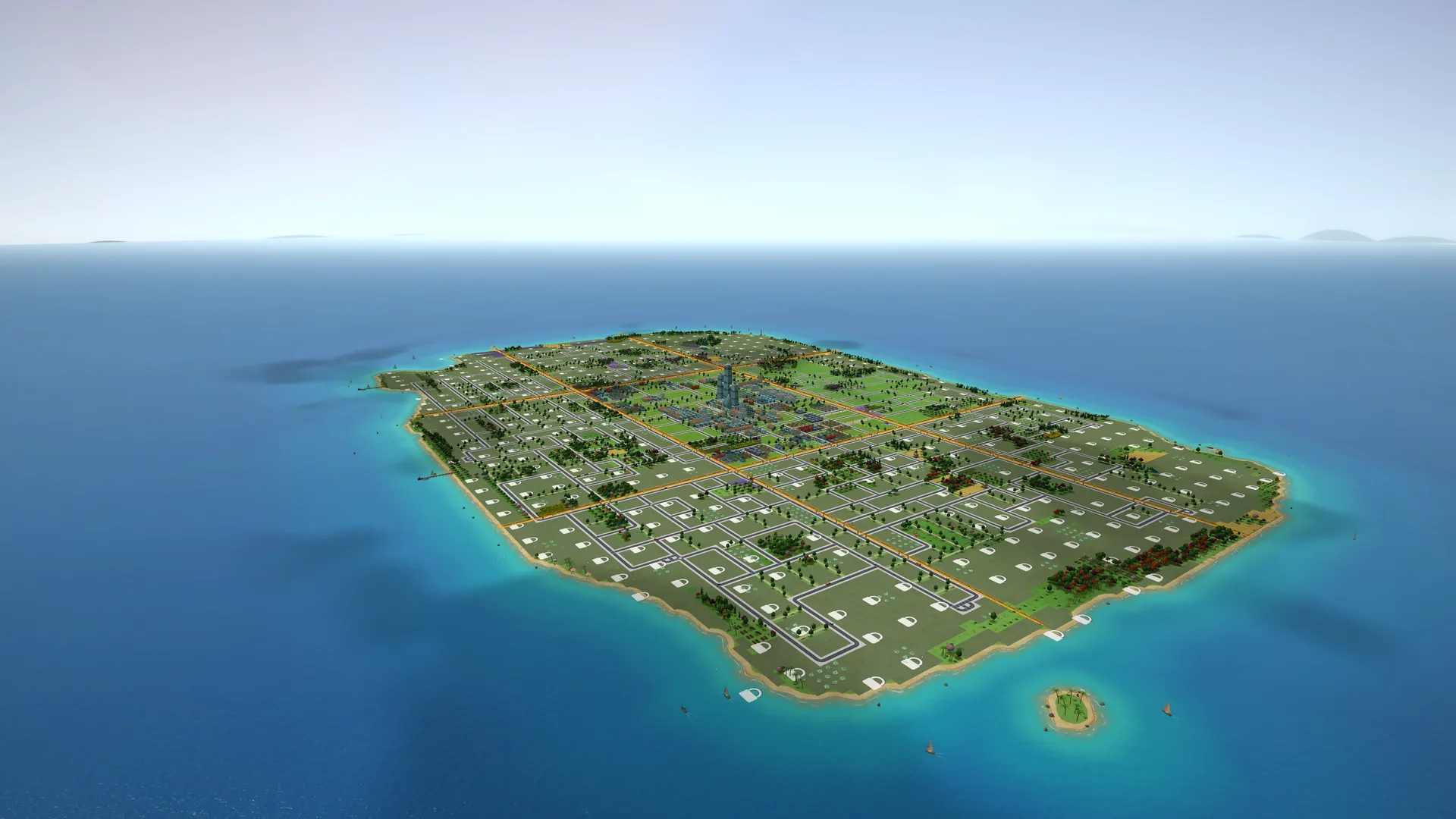
Plotopia is a city-builder on a single shared map. Claim a parcel, put a building on it and staff it with citizens. What your neighbours build changes what yours produces.
- 1island
- 9districts
- 13buildings
- 7levels
What it is
A city-builder where the map is the mechanic
Most builders let you put anything anywhere. Here, where a building stands decides what it is worth, and the parcels around you belong to other people.
One island for everybody
No instances and no private worlds. The parcel next to yours belongs to somebody, and an empty one can be claimed tomorrow.
A city runs on citizens
Thirteen buildings and a population that has to be born, rested and matched to the work. A city is limited by its people long before its materials.
Nothing runs on a timer
Close the game for two days and the two days are there when you come back, exactly as if you had watched them.
How it plays
Five moves, learned in your first half hour
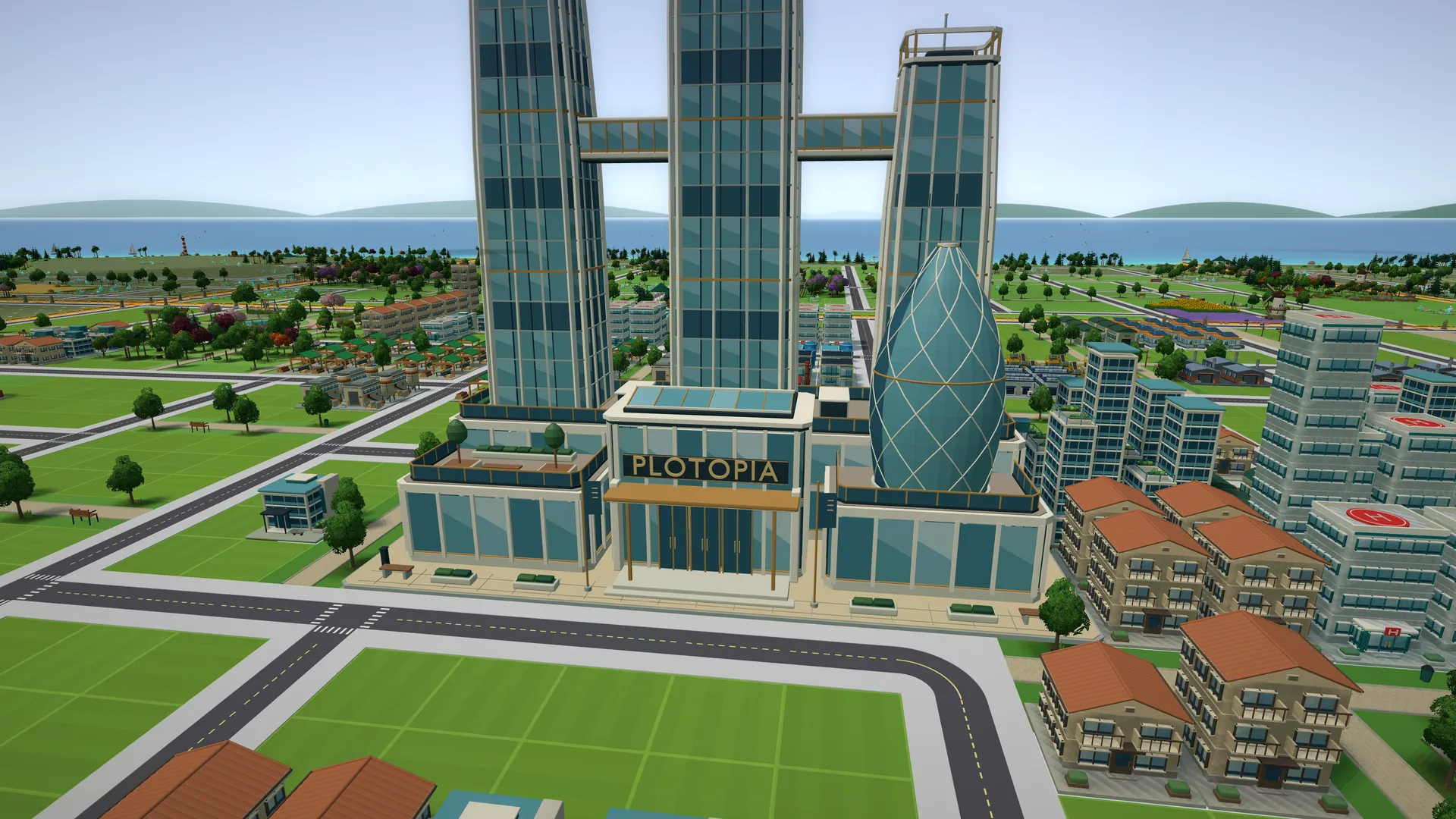
Everything after that is doing them better. Every clip below is the game itself, filmed on the island next to the Main Hall.


Thirteen buildings
Seven levels each. The last two are merges.
Raw material, refinery, utility, and three that look after people. Pick a building and drag it through its levels.
Raw material
Refinery
Utility
Population & income
Utility
Energy Plant
The other half of the infrastructure. No power, no cycle, for anybody.
Level 7 · four parcels, merged
The chain
Ten resources, three steps deep
From the ground
 Wood
Wood Sand
Sand Metal
Metal
Refined, one step at a time
 Brick
Brick Glass
Glass Concrete
 Appliance
 Beverage
Burned by everyone, every cycle
 Water
Water Energy
Three come out of the ground. Five are refined from those, one step at a time: wood and sand become brick, metal and sand become glass, concrete becomes appliances.
Water and power are infrastructure. Every producer burns both at the start of every cycle, whether or not they appear in its recipe, so a Water Works always has customers and a blackout is everybody's problem at once.
Citizens
Your buildings do not run themselves
Every citizen has three work stats, and every workplace cares about exactly one of them. A high-Intellect clerk is wasted in a mine. Matching them is the lever you have.


- WorkWork costs stamina. Rarer citizens spend it more slowly, but nobody works forever.
- RestTired citizens recover in a Residential. A city that skips housing runs beautifully for two days and then stops all at once.
- BornNew citizens come from a Hospital, where two rested parents produce one child whose rarity is rolled.


Neighbours
What stands next to what
Every building looks at the parcels around it and reacts to what it finds. A power plant lifts the refineries near it. Housing suffers next to heavy industry, and the industry does not care.
- Range
- A square of parcels centred on the building, near enough to plan around and wide enough that your neighbours are in it.
- Effect
- A multiplier, not a bonus. A well-placed building produces several times what the same building produces in a bad spot.
- Catch
- Half the parcels in range belong to other players. You can plan around them. You cannot control them.
Shared world
You are building next to real people
One island, one map, one economy. Other cities go up around yours as it happens, and parcels, citizens and resources change hands on the same marketplace. The island opens district by district, from the centre outward.
Get in
Open it and start building
Plotopia runs in your browser. There is nothing to download and nothing to install. Your wallet is your identity on the island.
- Open
play.plotopia.orgin a desktop browser. - Connect your wallet and sign the message it shows you.
- Claim a parcel, build a Lumber Mill on it and assign your first citizen.
To join, you connect a wallet and sign a short text message proving the address is yours. That signature is free: it is not a transaction, it costs no gas, and it moves nothing. It is how the island knows which city is yours.
Without connecting, you can still look around. You just cannot build.
Questions
The things people ask first
Do I need to download anything?
What do I need to join?
What is the currency?
Can I look around before connecting?
Can my friends build on the same island?
Does it work on a phone?
Plotopia
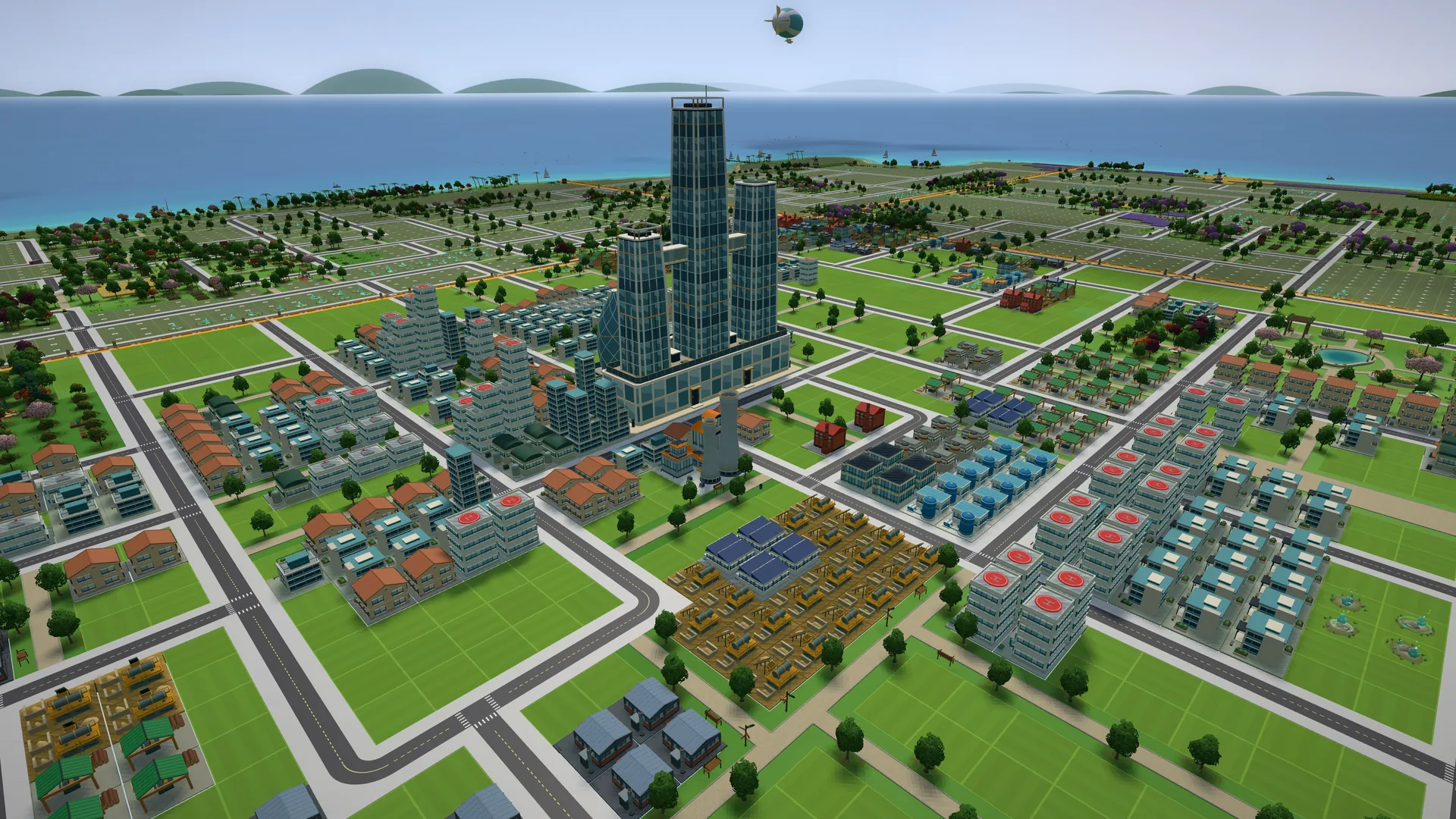
There is one island. Come and take a parcel. It opens in your browser, and you are building inside five minutes.